

Evogene–QUT Target Chemotherapy-Resistant Lung Cancer | Lilly Partners with NVIDIA
📅 Latest Pharma Innovation News | 2026
Artificial Intelligence (AI) continues to transform pharmaceutical research and development. In a major boost to oncology innovation, Evogene has partnered with Queensland University of Technology (QUT) to combat chemotherapy-resistant lung cancer. Meanwhile, global pharma giant Eli Lilly has joined hands with NVIDIA to accelerate AI-driven drug discovery.
🧬 Evogene & QUT: Fighting Chemotherapy-Resistant Lung Cancer
🔬 Focus Area: Chemotherapy-resistant lung cancer
🤝 Partnership: Evogene & Queensland University of Technology
📌 What’s Happening?
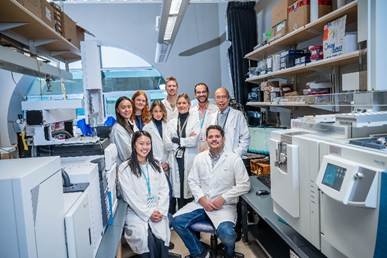
Evogene, known for its AI-powered computational biology platform, is collaborating with QUT researchers to identify novel therapeutic targets for lung cancer patients who no longer respond to chemotherapy.
🎯 Key Objectives:
- 🧠 Use AI algorithms to analyze complex cancer biology data
- 🔍 Identify mechanisms behind chemotherapy resistance
- 💊 Discover new drug candidates for resistant lung cancer
- 🚀 Accelerate preclinical development timelines
🧪 Why It Matters
Chemotherapy resistance remains a major challenge in oncology. AI can process massive genomic and proteomic datasets, uncovering hidden patterns that traditional methods may miss. This partnership aims to:
- Improve survival outcomes
- Develop targeted treatment strategies
- Reduce drug development failure rates
🚀 Eli Lilly & NVIDIA: AI-Powered Drug Discovery at Scale
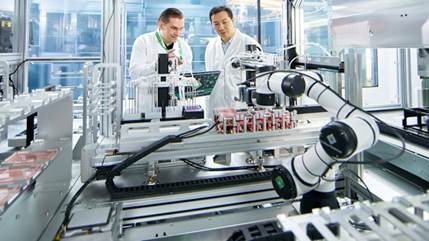
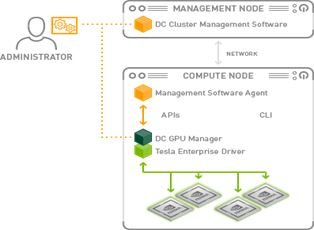
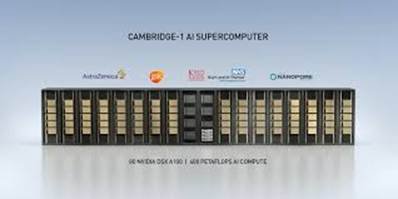
🤝 Partnership: Eli Lilly & NVIDIA
📌 Collaboration Focus:
- 🖥 High-performance computing
- 🤖 AI model training for drug discovery
- 📊 Large-scale biological data processing
- 🔬 Accelerating molecule screening
NVIDIA’s advanced GPUs and AI infrastructure will support Lilly’s R&D efforts, enabling:
- Faster simulation of drug–target interactions
- Enhanced predictive modeling
- Reduced time-to-market for innovative therapies
🌍 Strategic Impact
This collaboration highlights how technology companies and pharma leaders are converging to reshape biomedical research. AI infrastructure plays a critical role in:
- Oncology innovation
- Precision medicine
- Next-generation therapeutics
📊 Industry Trend: AI Becomes Core to Pharma R&D
These partnerships reflect a broader industry shift:
| Traditional R&D | AI-Driven R&D |
| Long development cycles | Accelerated timelines |
| High failure rates | Predictive candidate selection |
| Manual data analysis | Automated pattern detection |
| Limited scalability | High-performance computing |
AI is no longer optional — it is becoming central to pharmaceutical competitiveness.
💡 Expert Insight
✔ AI enhances early target identification
✔ Improves success probability in clinical trials
✔ Reduces late-stage attrition
✔ Supports personalized medicine approaches
The Evogene–QUT and Lilly–NVIDIA collaborations signal a new era where biotechnology, academia, and advanced computing unite to tackle complex diseases.
🏥 Final Takeaway
✨ AI is transforming cancer research.
✨ Strategic partnerships are accelerating innovation.
✨ The fight against chemotherapy-resistant lung cancer gains new momentum.
As AI continues to integrate into pharma R&D, we can expect faster discoveries, smarter trials, and better patient outcomes.
Subscribe our GPAT DISCUSSION CENTER YouTube Channel for more Pharma Updates | Click Here |
| Subscribe our GDC PHARMA JOBS YouTube Channel for more Pharma Job Updates | Click Here |
| Follow our Instagram for Daily Pharma Updates | Click Here |
| Download our GDC CLASSES App for Free Practice MCQs and Semester e-Notes | Click Here |
| Join our Telegram Channel | Click Her |
[table id=1 /]